

Treatment guide
Men's Aesthetics
Looking less worn out. Not looking different.
The same clinical standards, planned for a masculine result — and explained plainly, without theatre.
What is it?
Men's aesthetics is a pathway rather than a separate catalogue: the same treatments, assessed and planned for masculine proportion and skin.
The most common requests are softening expression lines, looking less tired, definition along the jaw, skin quality, hair reduction, and hair restoration.
Planning differs from a typical female plan in several respects — brow position, muscle mass, skin thickness, and the goal of avoiding any change that reads as treated.
What can it help improve?
- Forehead and brow lines that make you look permanently tired or annoyed
- Looking drawn or worn out regardless of sleep
- Definition along the jaw and chin
- Skin quality, sun damage, and acne scarring
- Unwanted hair on the back, chest, or neckline
- Hair thinning through the crown or hairline
Related goals: Men's aesthetics
Who tends to consider it?
- Men who have never considered aesthetic treatment and want it explained plainly.
- Men who look tired in photographs and cannot place why.
- Men who want a result nobody identifies as a treatment.
- Men addressing hair — either unwanted hair or thinning — as their main concern.
What it does — and what it doesn't do
What it does
- Applies the same clinical standards with masculine planning
- Prioritises conservative, undetectable change
- Combines face, skin, hair, and wellness goals into one plan where relevant
- Explains what is happening plainly, without unnecessary process
What it doesn't do
- Feminise proportions — brow position and structure are planned specifically to avoid it
- Require a long list of treatments; most plans start with one thing
- Guarantee that a treatment appropriate for someone else is appropriate for you
- Replace surgical options where those are what someone actually wants
What the appointment may involve
A conversation first, and usually a short one: what you notice, what you want to change, and what you would rather nobody noticed.
Assessment covers movement, structure, skin quality, and where relevant, hair and scalp.
Your provider will tell you what is worth doing and what is not, in that order.
A staged plan is written down, with the option of starting with a single item.
General educational description only. Anything specific to you — suitability, preparation, and aftercare — is discussed at consultation.
What results typically mean
The improvement most men are looking for is being told they look well, not being asked what they had done.
Conservative planning means change appears gradually rather than announcing itself.
Individual response varies by treatment, structure, and history.
Related results
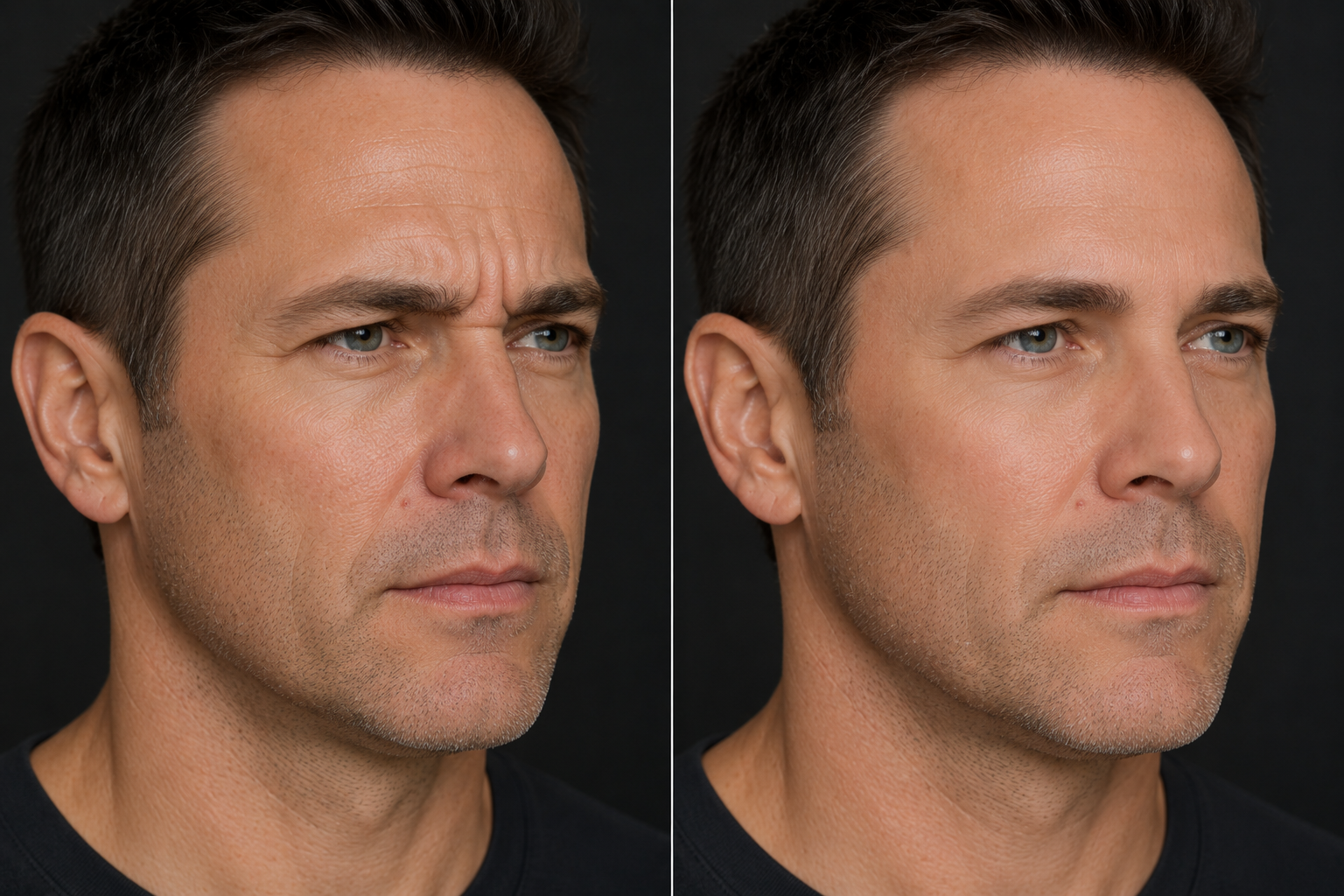
Men's Aesthetics
Forehead • Expression Lines • Refreshed Appearance
A rested, refined look designed to soften visible expression lines without changing what makes him look like himself.
Treatment example · Results may vary.
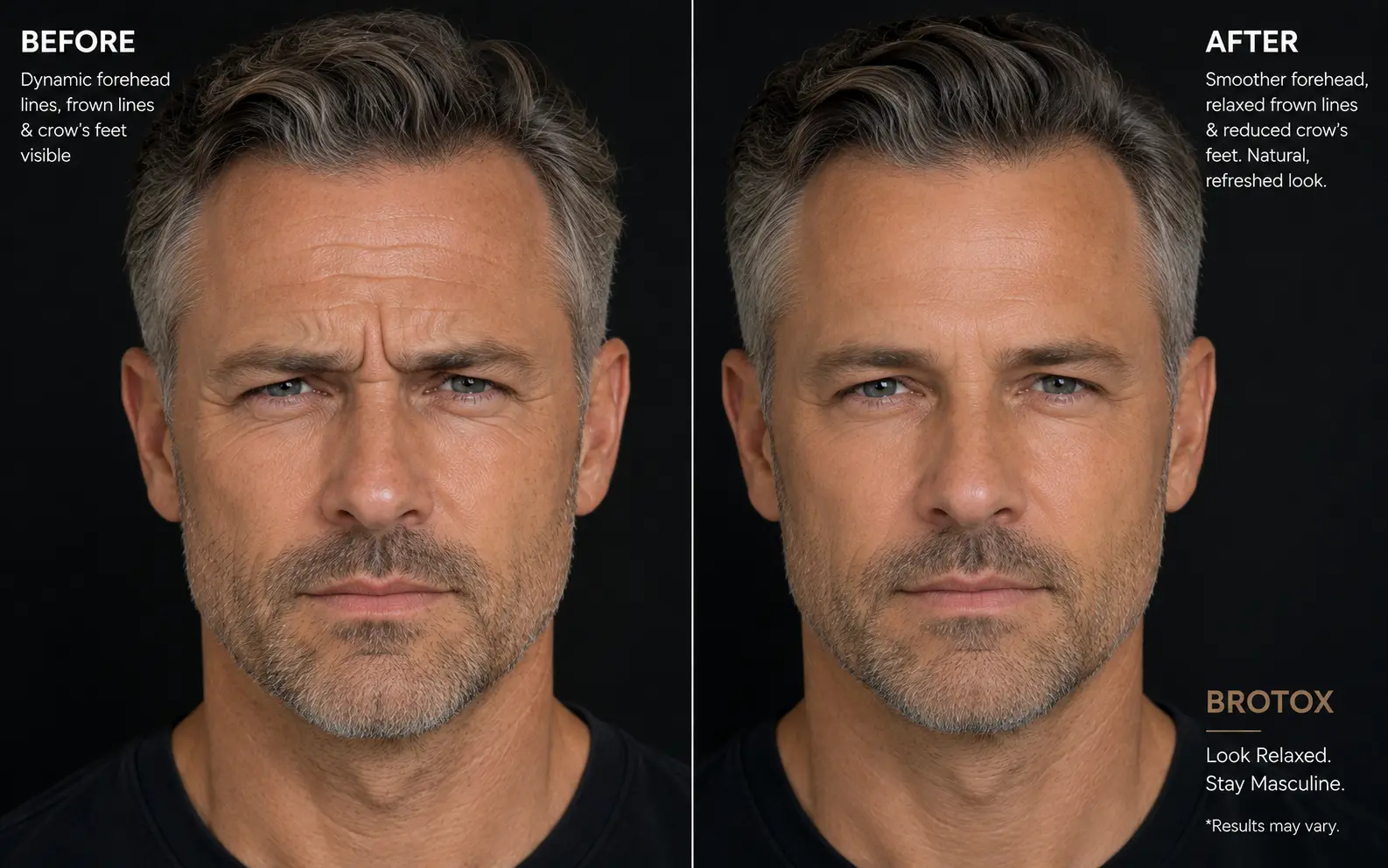
Men's Expression Lines
Forehead • Frown Lines • Eye Area
A smoother forehead and softer frown lines — less tired-looking, still recognisably masculine.
Treatment example · Results may vary.
Treatment examples. Results may vary.
Timing and treatment series
Most plans begin with one treatment and a review, rather than several at once.
Maintenance intervals depend entirely on the treatment involved and are set individually.
Hair and skin goals run on longer timelines than injectable treatment, and are planned accordingly.
Recovery and downtime
Downtime varies substantially by treatment; some have almost none and others require planning.
Because the goal is usually that nobody notices, timing around work and travel is part of the conversation.
Your provider will tell you exactly what to expect for the treatments in your plan.
How this may fit with other treatments
Face, skin, and hair goals are often staged rather than combined, so each result can be judged on its own.
Where weight or energy is also a goal, medical weight management and clinical wellness may be sequenced alongside.
Hair reduction and hair restoration are separate conversations and can run in parallel with facial treatment.
See the treatments we offer in Injectables & Facial Aesthetics
Questions to ask your provider
- What would you treat first if the priority is that nobody notices?
- Which of my concerns is not worth treating?
- How do you plan differently for a masculine result?
- What are you actually seeing when you look at my face, in your own words?
- What would you do first if this were staged over a year rather than one visit?
- What is this treatment unlikely to change for me?
- What does maintaining this look like, realistically, once we start?
- What would make you recommend against treating me today?
Who you’d see
Providers for this area
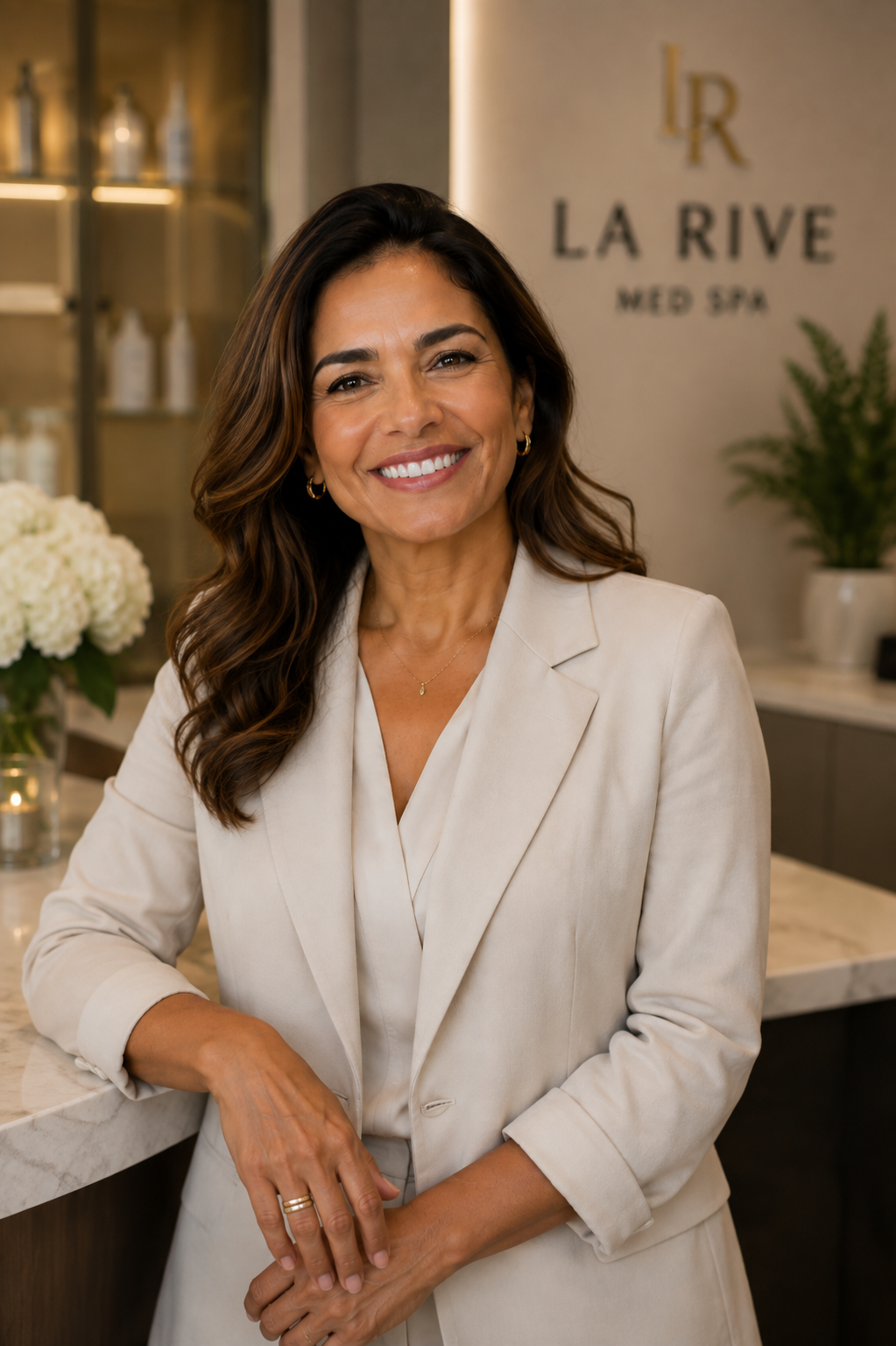
Dr. Elena Marlowe, MD
Founder & Medical Director
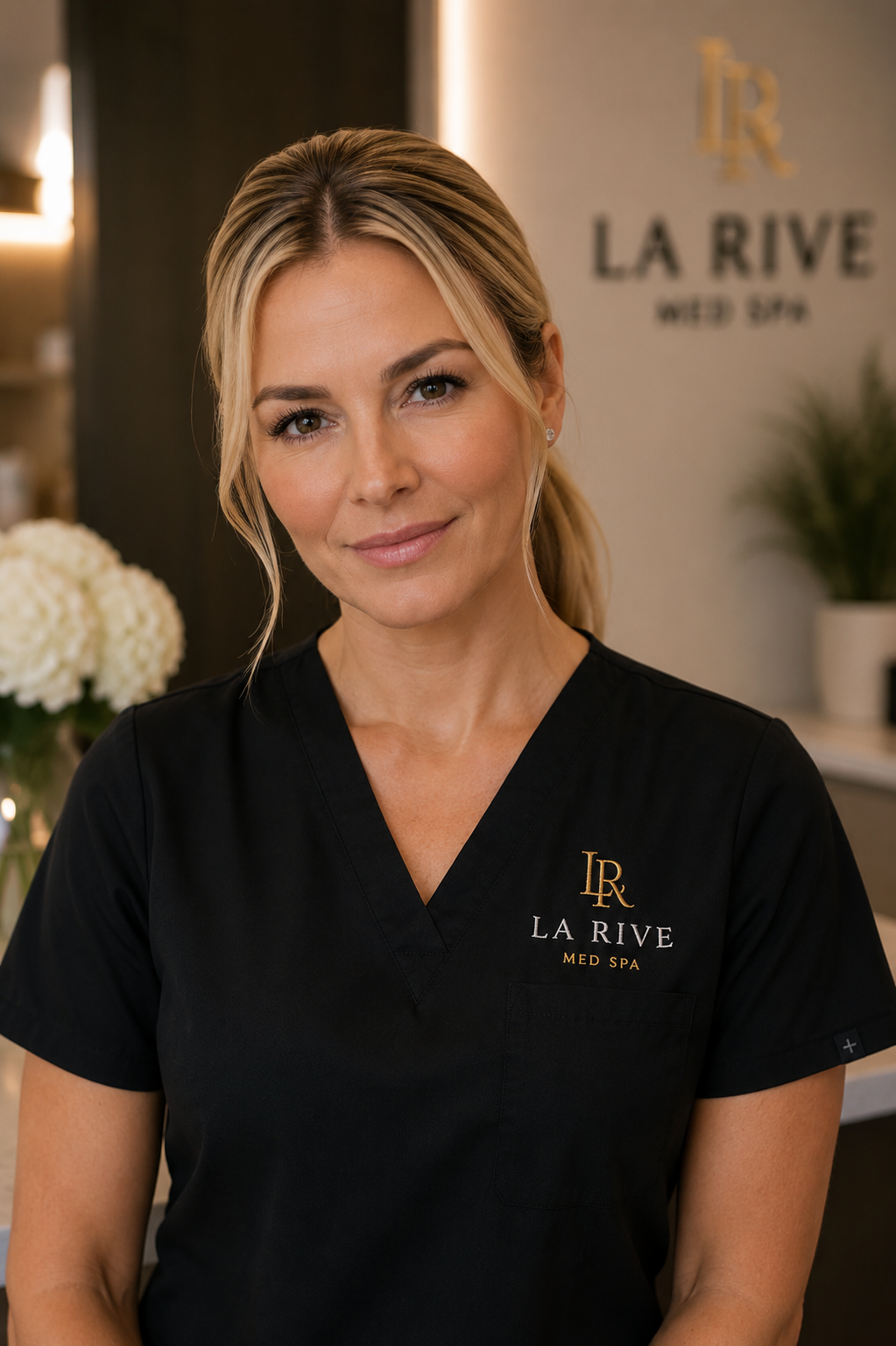
Avery Sloane, RN
Nurse Injector & Aesthetic Provider
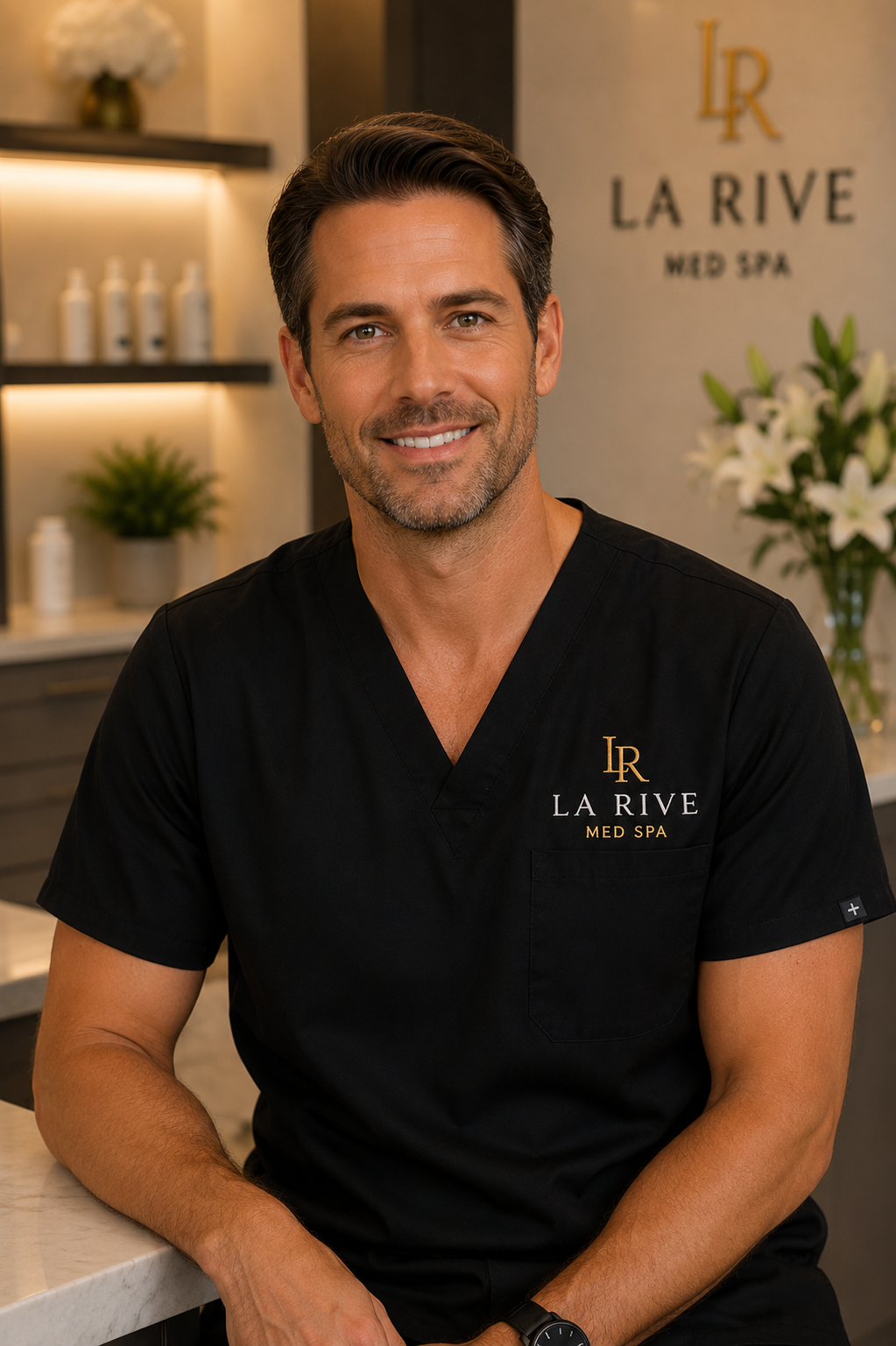
Brad Richardson, PA-C
Physician Assistant · Men's Aesthetics & Injectables
What clients notice
“I wanted to look less tired without looking like I'd had something done.”
Common questions
Men's Aesthetics: frequently asked
Still deciding? Start with a conversation.
A consultation is where reading becomes a plan — staged, priced, and entirely yours to decline.
19 guides published · more in development